
Phthalate Testing and Analysis
What Are Phthalates?
Phthalates are a group of chemicals used to make plastics, especially PVC, flexible and soft. They can be found in toys, childcare articles, vinyl flooring and wallpaper, cables, synthetic leather, footwear, coatings, adhesives and inks. Because phthalates are not chemically bound to the polymer, they can be released from the product over time and enter the human body through the mouth, skin contact or inhalation.
Some phthalates such as DEHP, DBP, BBP and DIBP are identified as toxic to reproduction and as endocrine disruptors. For this reason, strict limits apply in the EU to toys and many consumer products. Phthalate testing measures the phthalate content of a product’s plasticised materials and allows you to document compliance with these limits.
Phthalates Commonly Covered by Phthalate Testing
- Di(2-ethylhexyl) phthalate (DEHP)
- Dibutyl phthalate (DBP)
- Benzyl butyl phthalate (BBP)
- Diisobutyl phthalate (DIBP)
- Diisononyl phthalate (DINP)
- Diisodecyl phthalate (DIDP)
- Di-n-octyl phthalate (DNOP)
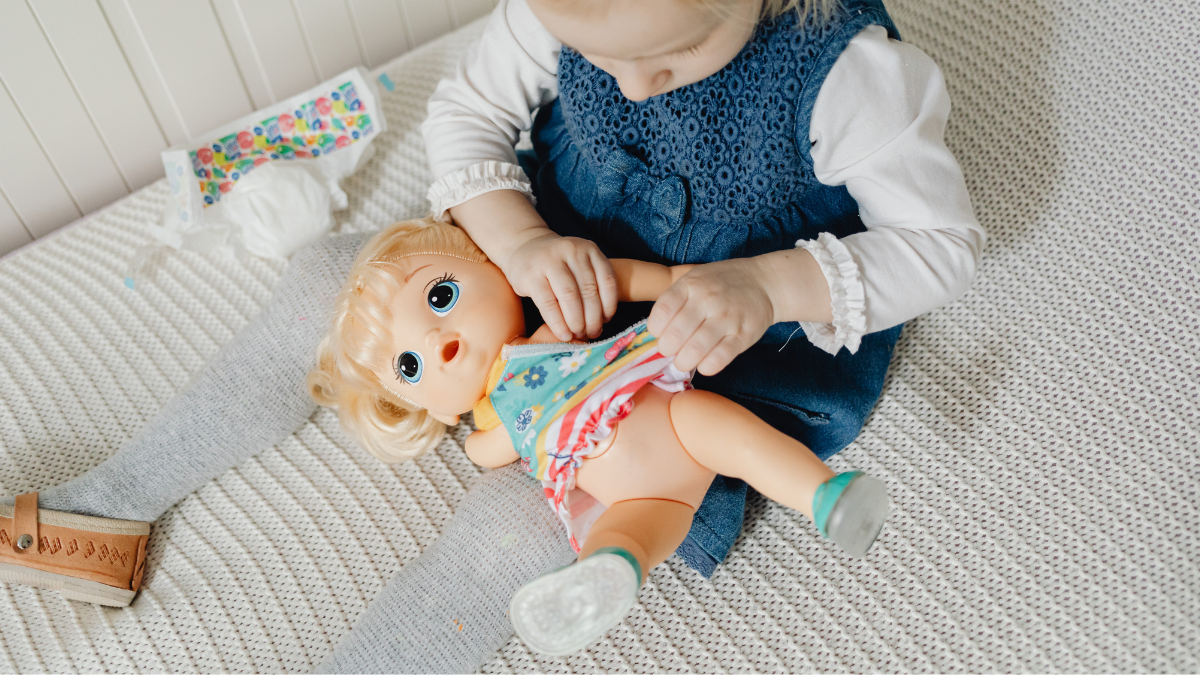
Special attention is paid to phthalates in children’s products. Soft plastic toys and childcare articles may be kept in the mouth for long periods, during which phthalates can migrate from the surface into saliva. The EU first addressed this risk in 1999 with Commission Decision 1999/815/EC, which banned six phthalates in soft PVC toys and childcare articles intended to be placed in the mouth by children under three years of age as an emergency measure.
Phthalate Limits in Toys: From Directive 2005/84/EC to REACH
The temporary measures were replaced by Directive 2005/84/EC, which permanently restricted phthalates in toys and childcare articles. The Directive entered into force on 16 January 2006 and its provisions applied in all Member States from 16 January 2007. In 2009, Regulation (EC) No 552/2009 transferred these restrictions to Annex XVII of the REACH Regulation as entries 51 and 52, and REACH replaced the Directive.
Under the legislation, a childcare article means any product intended to facilitate sleep, relaxation, hygiene, the feeding of children or sucking on the part of children, such as soothers, teethers, bibs and bath products.
REACH Annex XVII Entries 51 and 52: Current Phthalate Limits
- Entry 51 – DEHP, DBP, BBP and DIBP: shall not be present in plasticised materials of toys and childcare articles in a concentration equal to or greater than 0.1% by weight, individually or in combination.
- Entry 51 (amended by Regulation (EU) 2018/2005): since 7 July 2020 the same limit also applies to articles containing plasticised material (PVC, polyurethane, coatings, adhesives, inks, etc.) that come into contact with mucous membranes or into prolonged contact with the skin.
- Entry 52 – DINP, DIDP and DNOP: shall not be present in plasticised materials of toys and childcare articles that can be placed in the mouth by children in a concentration equal to or greater than 0.1% by weight.
- Products exceeding these limits shall not be placed on the EU market; importers and distributors are also responsible for compliance.
Classification and Health Effects of Phthalates
Many ortho-phthalates, including DEHP, DBP, DIBP and BBP, have a harmonised CLP classification as toxic to reproduction (Repr. 1B). This means they may damage fertility or the unborn child. These phthalates are also included in the SVHC Candidate List.
DBP and BBP are classified as very toxic to aquatic life (Aquatic Acute 1), and BBP is also classified as very toxic to aquatic life with long-lasting effects (Aquatic Chronic 1).
Which Products Need Phthalate Testing?
If you import or manufacture plastic products, toys or children’s products, you must ensure that your products comply with phthalate limits. Phthalate testing is especially recommended for:
- Toys and childcare articles
- Footwear, bags and clothing accessories containing PVC or synthetic leather
- Cables, hoses, floor coverings and wallpaper
- Plastic parts in prolonged contact with the skin, such as handles of sports and fitness equipment
- Printed textiles (plastisol prints)
In electrical and electronic equipment, DEHP, DBP, BBP and DIBP are also limited to 0.1% under the EU RoHS Directive. Other hazardous substances restricted in these products include PAHs, PFOS/PFOA and other substances on the REACH Annex XVII list.
How Is Phthalate Testing Performed?
Phthalate testing is carried out in accredited laboratories and generally consists of the following steps:
- Material separation: The plasticised parts of the product (PVC, coatings, prints, cable sheaths, etc.) are identified separately.
- Extraction: Phthalates are extracted from the sample with a suitable solvent.
- Measurement: The amount is determined by gas chromatography–mass spectrometry (GC-MS). Standard methods such as ISO 8124-6:2023 for toys and children’s products and ISO 14389 for textiles are used.
- Reporting: Results are reported as a percentage by weight or in mg/kg and compared with the limits of REACH Annex XVII entries 51–52.
The full legal text is available in the REACH Regulation (EUR-Lex).
Doruksistem Phthalate Testing Service
Doruksistem provides phthalate testing services to you or your suppliers and helps you document that your products comply with EU legislation. As a complementary service, we follow regulatory developments related to phthalates and keep you informed.
Phthalate Testing: Frequently Asked Questions
Does the 0.1% limit apply to the whole product?
No. The limit is calculated on the weight of the plasticised material, so separate testing of different plastic parts is recommended.
Are DEHP, DBP, BBP and DIBP assessed individually or in combination?
Under entry 51, these four phthalates must remain below 0.1% both individually and in combination.
Which legislation applies to electronic toys?
Electronic toys may be subject to both toy legislation and RoHS, so phthalate testing should be planned with both requirements in mind.
Is a supplier declaration enough?
A supplier declaration is useful, but for higher-risk products an up-to-date phthalate testing report from an accredited laboratory is the most reliable way to document compliance.
For our other testing services, see our Test and Analysis Services page, or contact us for a phthalate testing quote for your product.