
PFOS and PFOA Testing and PFAS Analysis
What Are PFOS and PFOA?
PFOS (perfluorooctane sulfonic acid) and PFOA (perfluorooctanoic acid) are the best-known members of the per- and polyfluoroalkyl substances (PFAS), also known as “forever chemicals”. Because of their water-, oil- and stain-repellent properties, they were used for many years in surface treatments for textiles, leather, paper, carpets and furniture, as well as in firefighting foams, coatings and various industrial processes.
These substances hardly break down in the environment, accumulate in living organisms and have toxic effects. In 2002 an OECD assessment concluded that PFOS is persistent, bioaccumulative and toxic (PBT). PFOS was listed under the Stockholm Convention on Persistent Organic Pollutants in 2009, and PFOA in 2019.
For this reason, PFOS and PFOA are now regulated in the EU directly under the Persistent Organic Pollutants (POPs) Regulation rather than REACH Annex XVII. PFOS and PFOA testing is the most reliable way to document that your products contain these substances and their related compounds below the legal limits.
Current Limits for PFOS and PFOA Testing: EU POPs Regulation
- PFOS and its salts: under the POPs Regulation as amended by Regulation (EU) 2025/718, from 3 December 2025 a maximum of 0.025 mg/kg is allowed as an unintentional trace contaminant in substances, mixtures and articles.
- PFOS-related compounds: a maximum of 1 mg/kg in total in substances, mixtures and articles. These values replace the former 0.1% limit for articles and the 1 µg/m² limit for textiles.
- PFOA and its salts: under Regulation (EU) 2020/784, from 4 July 2020 a maximum of 0.025 mg/kg; PFOA-related compounds a maximum of 1 mg/kg individually or in combination.
Other PFAS Restrictions Under REACH
In addition, other PFAS groups are restricted under REACH Annex XVII:
- Entry 68 – C9–C14 PFCAs: 25 ppb in total, related substances 260 ppb in total (from 25 February 2023).
- Entry 79 – PFHxA: 25 ppb for the sum of PFHxA and its salts, 1,000 ppb for the sum of related substances. Since 10 October 2026 the restriction applies to consumer clothing textiles and accessories, footwear, cosmetics and food-contact paper and board; from 10 October 2027 it will also cover other consumer textiles.
The legal text is available in the EU POPs Regulation (EUR-Lex).
Where Are PFOS and PFOA Found?
The extreme persistence of PFAS makes them resistant to high temperatures and strong acids or bases. PFOS, PFOA and related substances have been used especially in the following products and industries:
- Carpet
- Leather products
- Clothing
- Textiles
- Paper and packaging materials
- Paints and paint additives
- Industrial and household cleaning agents
- Pesticides and insecticides
- Foam fire extinguishers
- Photography
- Photolithography
- Semiconductors
- Hydraulic fluids
- Metal plating
Which Products Need PFOS and PFOA Testing?
If you import or manufacture the products above, you need to make sure they do not contain PFOS, PFOA or related compounds above the legal limits. PFOS and PFOA testing is especially recommended for textiles with water- and stain-repellent finishes, outdoor clothing, leather goods, food packaging and firefighting foams.
Other hazardous substances restricted in these products include SVHCs, PAHs, phthalates, AZO dyes and other substances on the REACH Annex XVII list. For electrical and electronic equipment, EU RoHS requirements also apply.
How Is PFOS and PFOA Testing Performed?
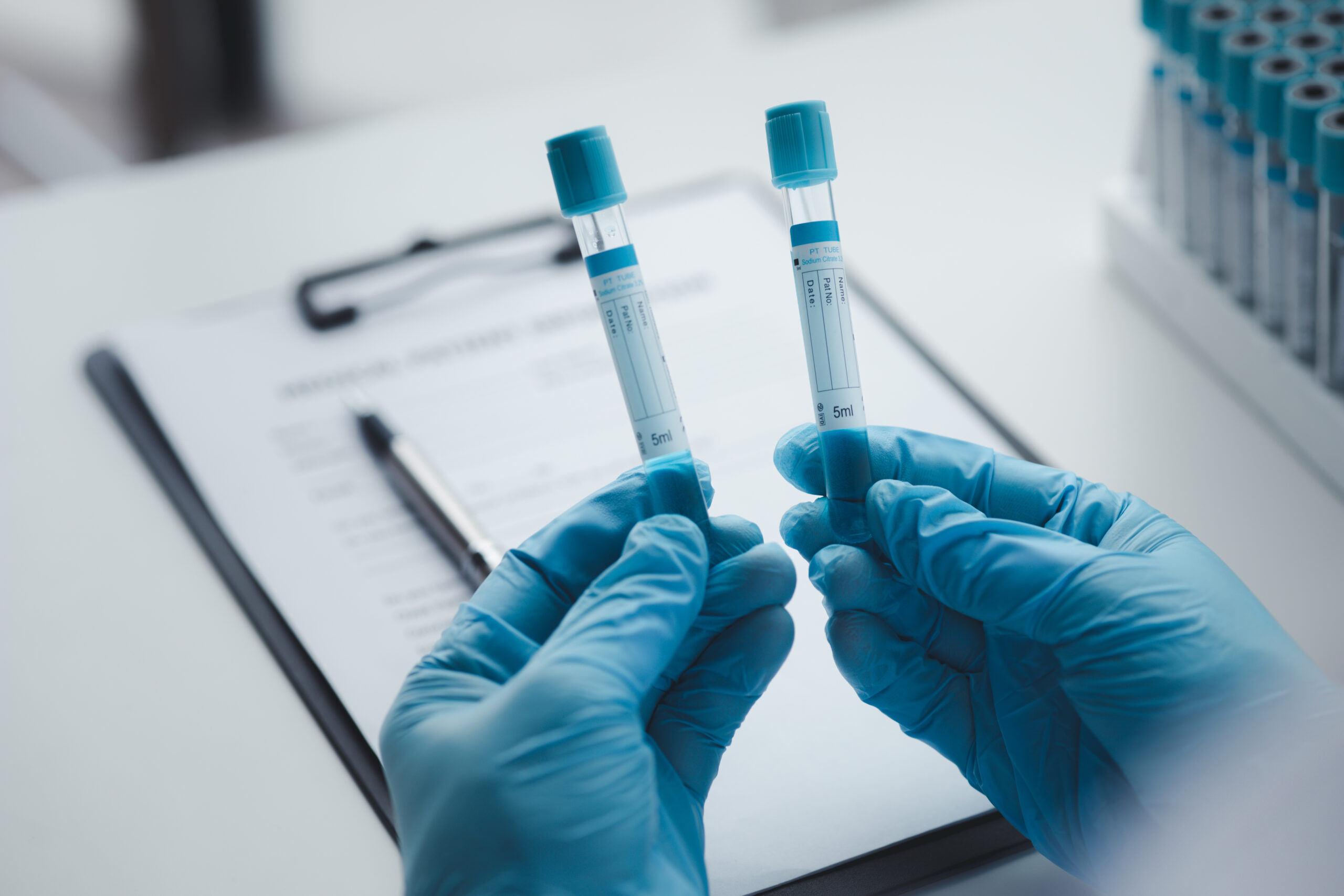
PFOS and PFOA testing is carried out in accredited laboratories. PFAS are extracted from the sample with a suitable solvent and analysed by liquid chromatography–tandem mass spectrometry (LC-MS/MS), which can measure very low concentrations. Methods such as CEN/TS 15968 for coated and impregnated articles and ISO 23702-1 for leather are used. As the limits are at mg/kg or ppb level, sample preparation and the choice of laboratory are critical for reliable results.
A total organic fluorine (TOF) screening can also provide a quick indication of whether a product contains PFAS; compliance with the limits is then confirmed by targeted analysis.
Doruksistem PFOS and PFOA Testing Service
Doruksistem offers restricted substance testing services to you or your suppliers in a single package and helps you document that your products comply with the latest EU requirements.
We provide expert advice on which tests your products need and, as a complementary service, keep you informed about regulatory developments on PFOS, PFOA and other PFAS.
PFOS and PFOA Testing: Frequently Asked Questions
Why are PFOS and PFOA regulated under the POPs Regulation instead of REACH?
Both substances are listed under the Stockholm Convention, so the EU bans them under the Persistent Organic Pollutants Regulation. Restrictions that were previously in REACH Annex XVII were therefore moved to the POPs Regulation.
Do the old PFOS limits still apply?
No. From 3 December 2025, limits of 0.025 mg/kg for PFOS and its salts and 1 mg/kg for related compounds apply. Test reports based on the old 0.1% and 1 µg/m² limits should be updated.
Which test is needed for a “PFAS-free” claim?
No single test covers all PFAS. Targeted analyses and total organic fluorine screening should be assessed together.
Does this apply to companies exporting from Türkiye to the EU?
Yes. All products placed on the EU market must meet these limits regardless of where they are produced.
For our other testing services, see our Test and Analysis Services page, or contact us for a PFOS and PFOA testing quote for your product.