

Key Step in European Chemical Regulations: Update to CLP Regulation
The European Union has reinforced its regulation on the classification, labeling, and packaging (CLP) of chemicals with new amendments formally adopted by the European Council. These changes aim to protect human health and the environment while promoting a more transparent chemical management structure under sustainable strategies. The updates are expected to have a positive impact on the environment and society, supporting safe chemical practices across the EU.
CLP Regulation: A Sustainable Chemical Strategy
Approved on October 14, 2024, this amendment aligns with the EU’s Sustainable Chemicals Strategy. It aims to ensure accurate classification and labeling of hazardous chemicals, prioritizing both consumer health and safe product management for businesses. With a focus on digital labeling and user-friendly packaging, the updates introduce innovative labeling improvements.
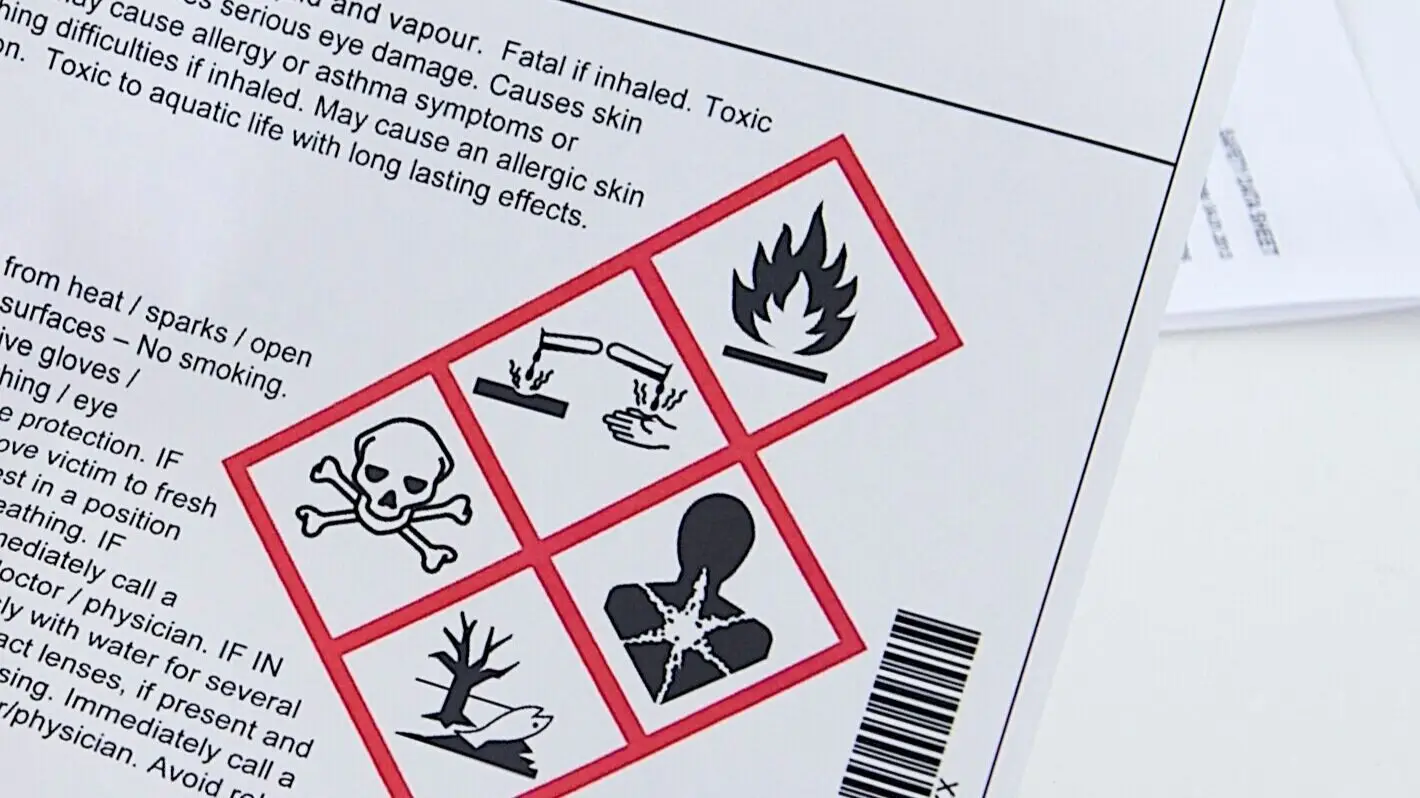
Key Updates in the CLP Regulation
Several critical changes are included in the new regulation:
- Expanded Definitions of Hazardous Chemicals: The update adds new hazard classes, including endocrine disruptors and persistent, bioaccumulative, and toxic (PBT) chemicals. These classifications are intended to reduce adverse health and environmental impacts.
- Enhanced Labeling and Packaging: Labels will be more readable, with digital labeling solutions improving accessibility and helping consumers make informed choices.
- Stricter Online Sales Regulations: Online chemical sales now require safety information, enhancing consumer protection and ensuring safe chemical usage.
- Notification for Poison Control Centers: Stringent notification requirements have been introduced, especially for online-sold chemicals, to facilitate emergency responses.
The recent update brings significant changes to Table 3 of Part 3 in Annex VI of the CLP Regulation:
- New Additions: The update adds 27 new substances, including perboric acid, sodium salt (Index No. 005-022-00-4) and sodium peroxometaborate.
- Deletions and Replacements: Six entries are removed, and 16 are replaced with new classifications, such as trimethyl borate now classified under reprotoxic 1B.
These changes will apply from May 1, 2026, and substances and mixtures can be classified, labeled, and packaged in accordance with these amendments before this date.
Purpose of the CLP Regulation
With this regulation, the European Union seeks to make the chemical market safer while aligning with the European Green Deal and Sustainable Development Goals. By addressing classification gaps, enhancing label readability, and introducing digital labeling, the CLP Regulation contributes to a safer and more sustainable chemical management framework in the EU.