
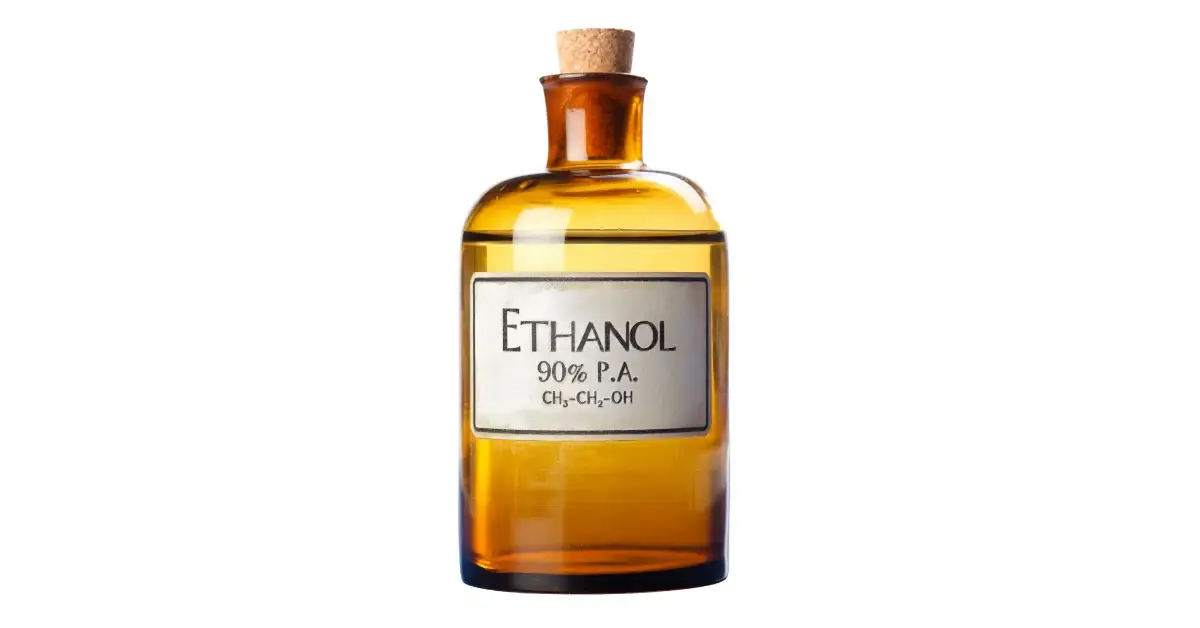
Ethanol as a Biocidal Active Substance: EU Review and Future Prospects
Ethanol is a widely used biocidal active substance in hygiene and disinfection. The European Union (EU) is reviewing its safety and efficacy under the Biocidal Products Regulation (BPR). Let’s explore the details and possible outcomes of this process.
Ethanol’s Evaluation Under the EU BPR
The EU launched a review program in 2000 to assess all existing biocidal active substances. Greece was assigned to evaluate ethanol, and in March 2024, it submitted its revised report to the European Chemicals Agency (ECHA).
This report assesses ethanol’s use in the following product types:
- Type 1: Human hygiene products, such as hand disinfectants
- Type 2: Disinfectants not intended for direct human or animal contact
- Type 4: Products used in food and feed areas
The assessment covers ethanol’s hazard properties, risks, and efficacy. The Biocidal Products Committee (BPC) is reviewing this report and is expected to adopt its opinion in the second half of 2025. The final decision will be made by the European Commission.
Connection Between BPR and CLP Regulations
BPR and the Classification, Labelling, and Packaging (CLP) Regulation are separate frameworks. While BPR determines if a substance can be approved for biocidal use, CLP classifies substances based on their hazard properties. Ethanol is currently classified as “Highly flammable liquid and vapor” (Flam. Liq. 2, H225). Greece has requested a re-evaluation of this classification.
Can Ethanol Still Be Used?
Biocidal products (Type 1, 2, and 4) containing ethanol can still be used under national transitional legislation in various EU countries pending final approval.