

Protecting Endangered Species with EPA’s Vulnerable Species Action Plan
Reducing the Impact of Harmful Chemicals on Endangered Species
In a bid to mitigate the adverse impacts of pesticides on endangered species, the U.S. Environmental Protection Agency (EPA) has unveiled the Vulnerable Species Action Plan (VSAP). Effective as of September 2024, this comprehensive strategy addresses pesticide exposure for 27 federally listed species at risk, marking a significant milestone in environmental conservation.
What is the Vulnerable Species Action Plan?
The VSAP is designed to protect wildlife and plant species that are highly vulnerable to pesticides, such as herbicides and insecticides. It targets non-residential, outdoor pesticide applications across the contiguous U.S. (CONUS). By introducing mitigation measures, the EPA aims to ensure the survival and recovery of endangered species facing risks from chemical exposure.
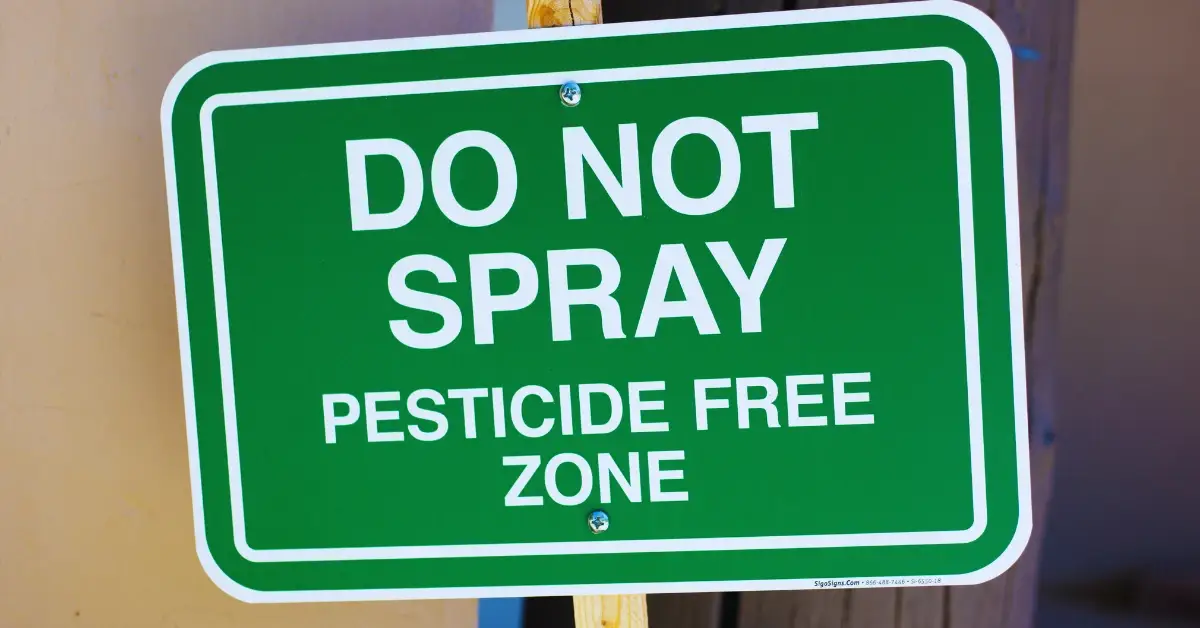
Key Highlights of the Plan
- Mitigation of Pesticide Exposure
The plan includes strategies to reduce risks from exposure pathways, such as spray drift, runoff, and bioaccumulation. - Pesticide Use Limitation Areas (PULAs)
Geographic zones where pesticide restrictions will be enforced to shield vulnerable species. - Three-Step Framework:
- Assess Population Impacts: Evaluates pesticides’ effects on species like the Attwater’s prairie chicken.
- Implement Mitigation Measures: Offers applicators flexible options, such as buffers and drift reduction.
- Geographically Focused Mitigation: Targets specific high-risk areas where species and pesticides overlap.
Species Under Protection
Among the 27 targeted species are birds (e.g., the Attwater’s prairie chicken), aquatic species (e.g., Ozark cavefish), and plants (e.g., Mead’s milkweed). These species face population declines due to small habitats and high exposure risks.
The EPA developed this list alongside the U.S. Fish and Wildlife Service (FWS) and plans to expand its coverage to include more vulnerable species in the future.
A Collaborative Conservation Effort
Aligned with the Endangered Species Act (ESA) and the Federal Insecticide, Fungicide, and Rodenticide Act (FIFRA), the VSAP promotes sustainable pesticide use. It also extends beyond agricultural lands to address non-agricultural applications, such as mosquito control and forestry operations.
The EPA’s Vulnerable Species Action Plan exemplifies a forward-thinking approach to balancing ecological preservation and agricultural productivity.
For more details, visit the EPA’s official page on the VSAP.