
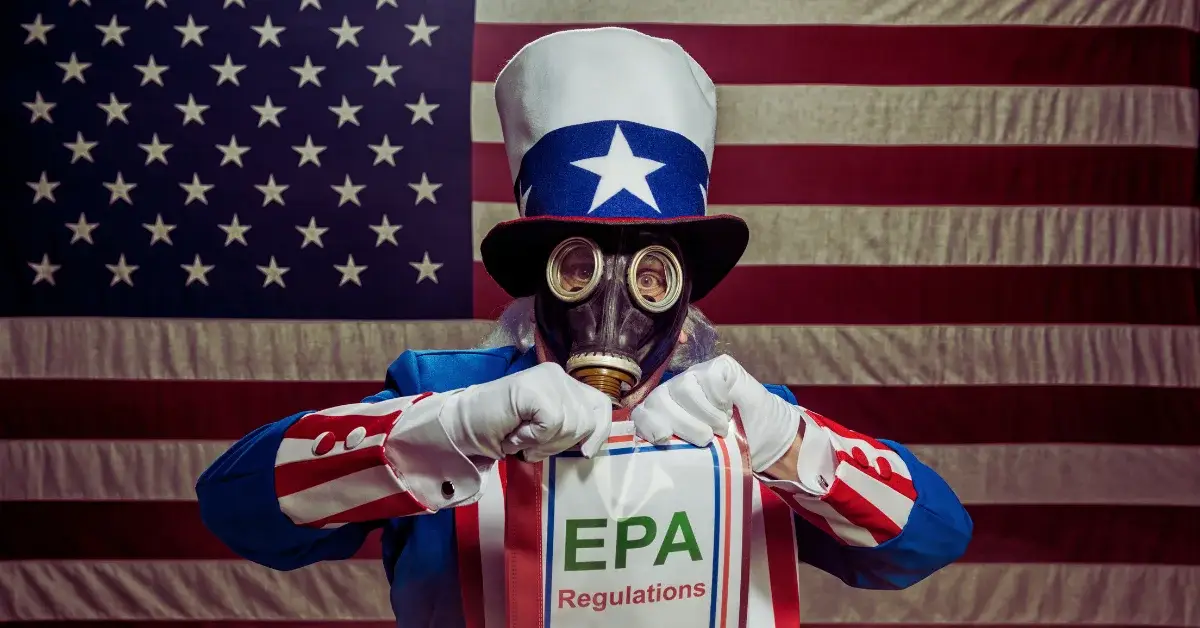
TSCA Regulations and Practices
The U.S. Environmental Protection Agency (EPA) has introduced significant final rules under the Toxic Substances Control Act (TSCA) to address unreasonable risks to human health and the environment. This article provides a detailed overview of three critical rules recently finalized by the EPA:
- Health and Safety Data Reporting Rule
- Amendments to New Chemicals Regulations
- Risk Management Rules for TCE, CTC, and PCE
These regulations aim to enhance transparency, improve new chemical notifications, and reduce environmental impacts.
1. Health and Safety Data Reporting Rule
On December 13, 2024, the EPA finalized a rule requiring manufacturers and importers of certain chemicals to submit unpublished health and safety studies. The rule applies to the following substances:
- 4,4’-Methylene bis(2-chloraniline), CASRN 101-14-4
- 4-tert-octylphenol (4-(1,1,3,3-Tetramethylbutyl)-phenol), CASRN 140-66-9
- Acetaldehyde, CASRN 75-07-0
- Acrylonitrile, CASRN 107-13-1
- Benzenamine, CASRN 62-53-3
- Benzene, CASRN 71-43-2
- Bisphenol A, CASRN 80-05-7
- Ethylbenzene, CASRN 100-41-4
- Naphthalene, CASRN 91-20-3
- Vinyl Chloride, CASRN 75-01-4
- Styrene, CASRN 100-42-5
- Tribromomethane (Bromoform), CASRN 75-25-2
- Triglycidyl isocyanurate, CASRN 2451-62-9
- Hydrogen fluoride, CASRN 7664-39-3
- N-(1,3-Dimethylbutyl)-N′-phenyl-p-phenylenediamine (6PPD), CASRN 793-24-8
- 2-Anilino-5-[(4-methylpentan-2-yl) amino]cyclohexa-2,5-diene-1,4-dione (6PPD-quinone), CASRN 2754428-18-5
Manufacturers must electronically submit the relevant data to the EPA via the Central Data Exchange (CDX) by March 13, 2025. This initiative promotes transparency and an evidence-based approach to chemical safety.
2. Amendments to New Chemicals Regulations
On December 18, 2024, the EPA published amendments to streamline new chemical notification processes under TSCA. Key changes include:
- Enhanced requirements for complete and detailed information in PMNs (Premanufacture Notices), SNUNs (Significant New Use Notices), and MCANs (Microbial Commercial Activity Notices).
- Updates to exemptions for Low Volume Exemptions (LVE) and Low Release and Exposure Exemptions (LoREX).
- Exclusion of PFAS substances from these exemptions.
These changes aim to encourage greater accuracy and transparency in chemical reporting.
3. Risk Management Rules for TCE, CTC, and PCE
Trichloroethylene (TCE)
Due to its carcinogenic and immunotoxic effects, TCE is now under strict regulatory controls:
- Production for consumer use is prohibited as of March 17, 2025.
- Industrial uses will cease by September 15, 2025.
Carbon Tetrachloride (CTC)
Primarily used in industrial applications, CTC will see its use as a fuel additive and in automotive plastic components banned. Additionally, workplace safety programs will be introduced.
Effective Date: January 17, 2025.
Perchloroethylene (PCE)
PCE, commonly used in dry cleaning and industrial settings, will be phased out within 10 years. Key provisions include:
- A 6-month ban on its use in newly acquired dry-cleaning machines.
- Earlier compliance for older machinery.
Conclusion and Implications
The EPA’s recent TSCA updates highlight significant strides toward reducing chemical risks and promoting environmental safety. Businesses must comply with these new rules and submit the required data on time to avoid penalties and support sustainable practices.